
New York City Comptroller Mark Levine has repeatedly stated his intention to reinvest the city’s pension funds in Israeli bonds. The independently-elected comptroller not only serves as watchdog over City Hall’s financial decisions but also oversees New York City’s pension system, including the retirement funds of police officers, teachers, firefighters, and other city employees. Levine’s position marks a shift from his predecessor, former Comptroller Brad Lander, who chose not to renew the city’s investment of approximately $30 million in Israeli bonds when it lapsed in 2023 – a small portion of the fund’s total assets of $289 billion.
Levine, the former Manhattan Borough President, who made reinvestment in those bonds a topic of his campaign, has stood by those plans now that he is in the role. “Israeli bonds had been part of the portfolio for decades,” Levin told The City this month, citing the fact that New York City has invested in Israeli bonds since 1974 when former Comptroller Harrison Goldin made the initial purchase of around $30 million.
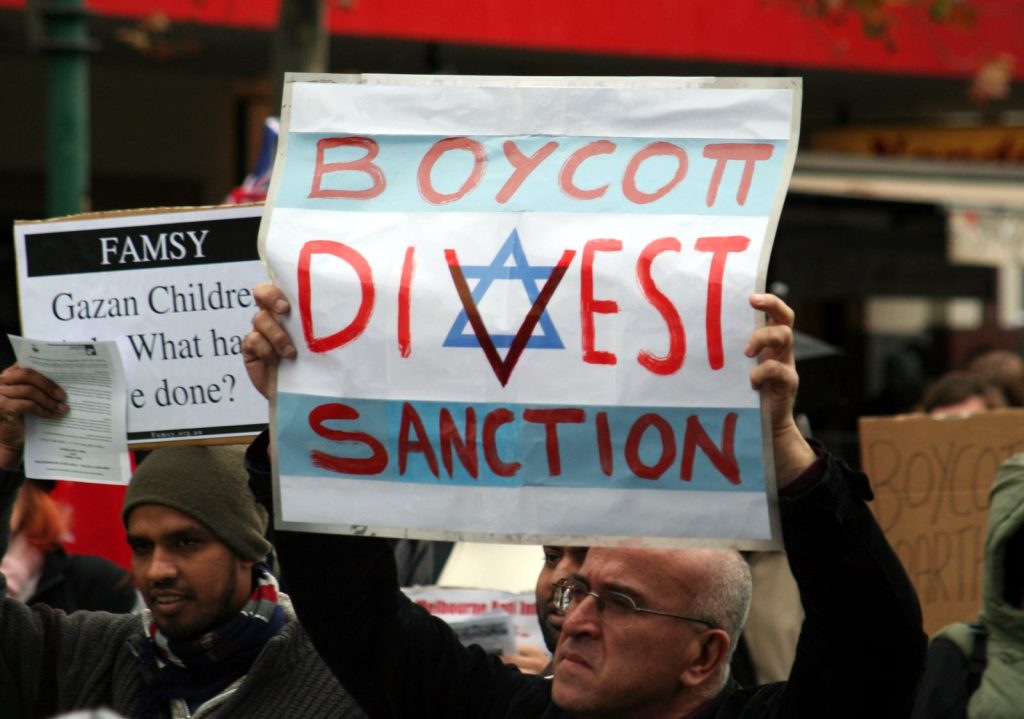
Levine’s interest in reinvesting the pension funds stands in stark contrast to the position of Mayor Zohran Mamdani, who has been a vocal critic of city investment in Israel. As Polis Project reported, on his first day in office, Mandani signed an executive order rescinding former Mayor Eric Adams’ ban on city agencies boycotting or divesting from Israel. In a recent press conference, Mamdani reiterated his opposition to purchasing Israeli bonds: “I’ve made clear my position, which is that I don’t think that we should purchase Israel Bonds. We don’t purchase bonds for any other sovereign nation’s debt.”
The disagreement highlights an early and significant divide between the city’s newly elected mayor and comptroller, though Mamdani holds little formal power over Levine’s ultimate decision. “As much as there’s excitement about the inside baseball, inter-political happenings, we see this as a question of people power,” Danny Kaplowitz, a spokesperson for Jewish Voice for Peace New York, told Polis Project. “In the same way that we elected Zohran Mamdani mayor, it is going to be us, the people—made up of organizations and organized individuals—who put pressure on the comptroller directly to make sure he doesn’t make this unacceptable investment.”
JVP-NY has organized against the reinvestment of this “morally outrageous but also just a fiscally irresponsible use of funds,” including an open letter signed by “thousands of Jewish New Yorkers and pension fund holders.”
A 10-year Israeli government bond currently offers an interest rate of roughly 5.3 percent; by comparison, the 10-year U.S. Treasury bond—widely considered the safest available—yields about 4.2 percent. Levine, however, has argued that reinvesting in Israeli bonds would be better for the city financially, regardless of the politics. “The Israel bonds have performed very well.,” he told the Financial Times. “My fiduciary responsibility is to make investment decisions based on that record of performance.”
Jewish Voice for Peace New York disputes Levine’s assessment, arguing that recent performance does not guarantee future stability. “Israel is an unstable country. We’ve seen it provoking wars with many of its neighbors this year,” Kaplowitz said. They also point to Israel’s credit outlook, noting that several major ratings agencies—including S&P Global, Fitch Ratings, and Moody’s—have downgraded Israel’s sovereign credit rating in recent years. Moody’s gave Israel its lowest rating ever at Baa1, meaning its still investment-grade but on the low end and the higher rate of return is due to a higher risk.
In a statement to Polis Project, a representative for Lander, who is currently running for Congress in New York’s 10th District, said he stands by his decision to stop purchasing Israeli bonds. “It was a decision rooted in his fiduciary duty as Comptroller, not in his political opinions. NYC’s pension funds hold no other foreign sovereign debt, and he believes they should not make an exception to that rule to favor Israel.”
New York City does not directly purchase bonds from any other foreign country, a point both Lander and Mamdani have emphasized. JVPNY agreed. “Treating Israel differently and better…because of [Levine’s] personal connections there or his ideological connections there is not an appropriate way to use his position as a steward of the city’s money,” Karlowitz said
Mark Levine did not reply to Polis Project’s request for comment.
We like bringing the stories that don’t get told to you. For that, we need your support. However small, we would appreciate it.
This is not a paywall.