






















































 of an elected official's time in office can set the trend for the rest of their term, when key appointments are made, and when the beginnings of
  campaign promises are translated to plans of action. We'll do our best to provide you with context on Zohran Mamdani and New York City with
  our experienced reporters, editors, and experts.
Zohran Mamdani
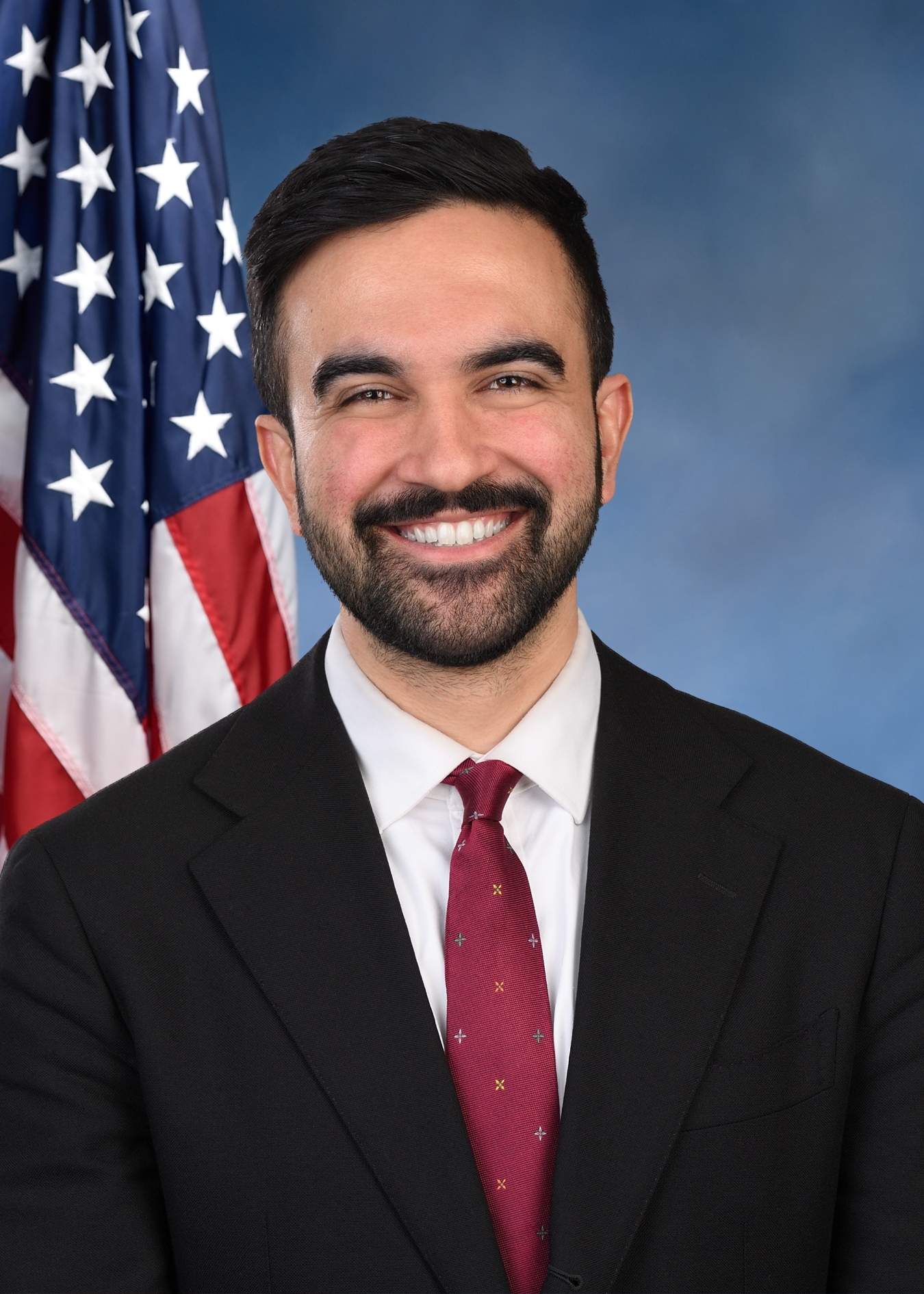
Zohran Kwame Mamdani, 34, was elected to the New York State Assembly in 2021. While in office, he built his public brand around housing and affordability, including rent burdens and tenant protections. He would eventually frame his 2024 mayoral run around his cost-of-living policy.
Mamdani is the son of acclaimed film director Mira Nair and anticolonial political scholar Dr. Mahmood Mamdani, who have both played some role in shaping his political philosophy and public messaging style. His political philosophy of being pro-working class, anti-colonial, and embracing his Muslim identity began well before he held office. When Mamdani was at Bowdoin College, he co-founded the school’s Students for Justice in Palestine chapter. And, before running for elected office, he worked as a foreclosure-prevention counselor, a job he has described as helping families avoid losing their homes.
While representing the richly diverse Queens neighborhood of Astoria in the State Assembly in Albany, Mamdani joined the New York Taxi Workers Alliance hunger strike over medallion debt, and was arrested during a rally connected to the demonstrations. The episode became one of the most widely cited examples of him engaging directly in protest politics while holding office.
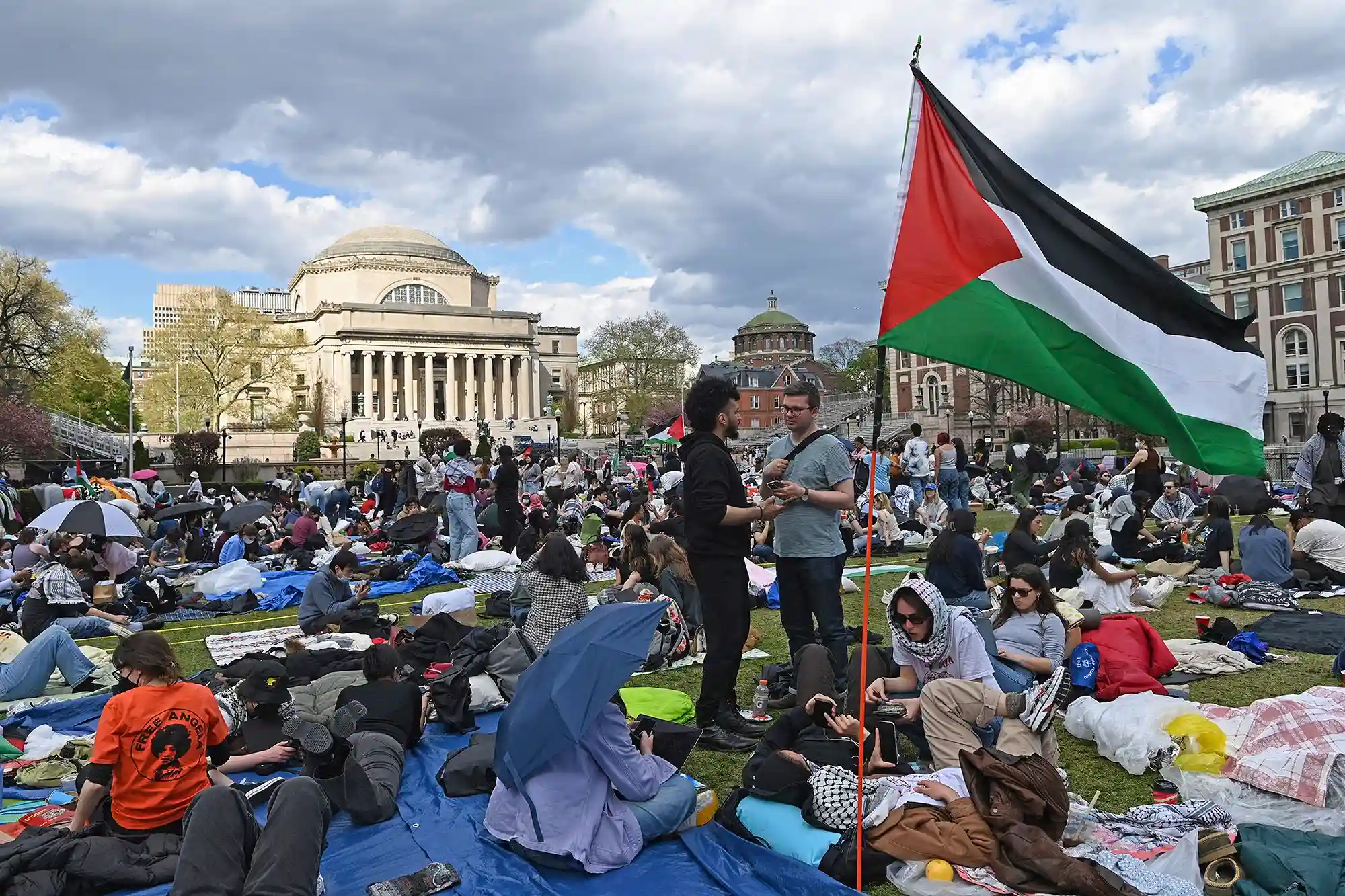
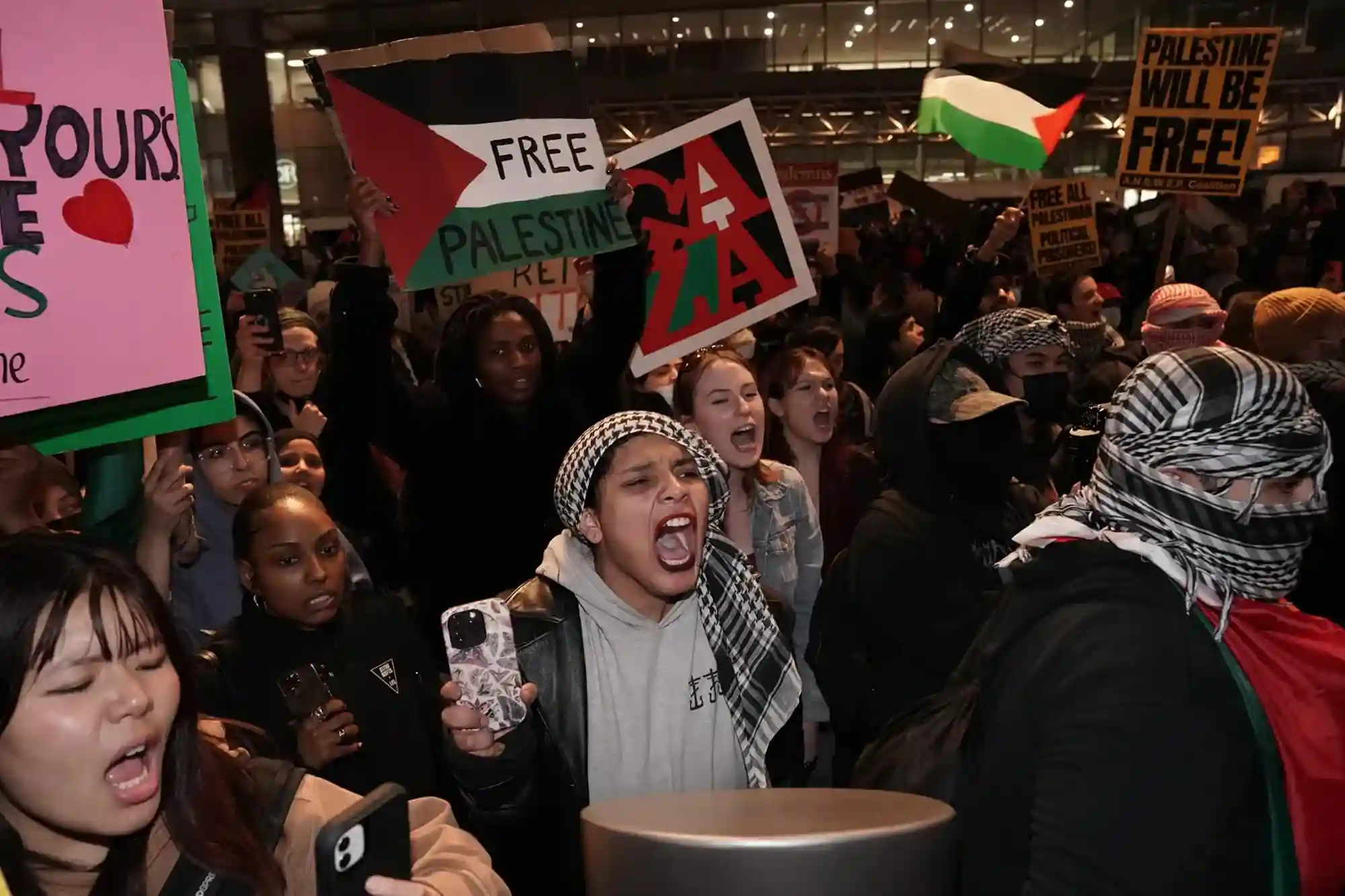
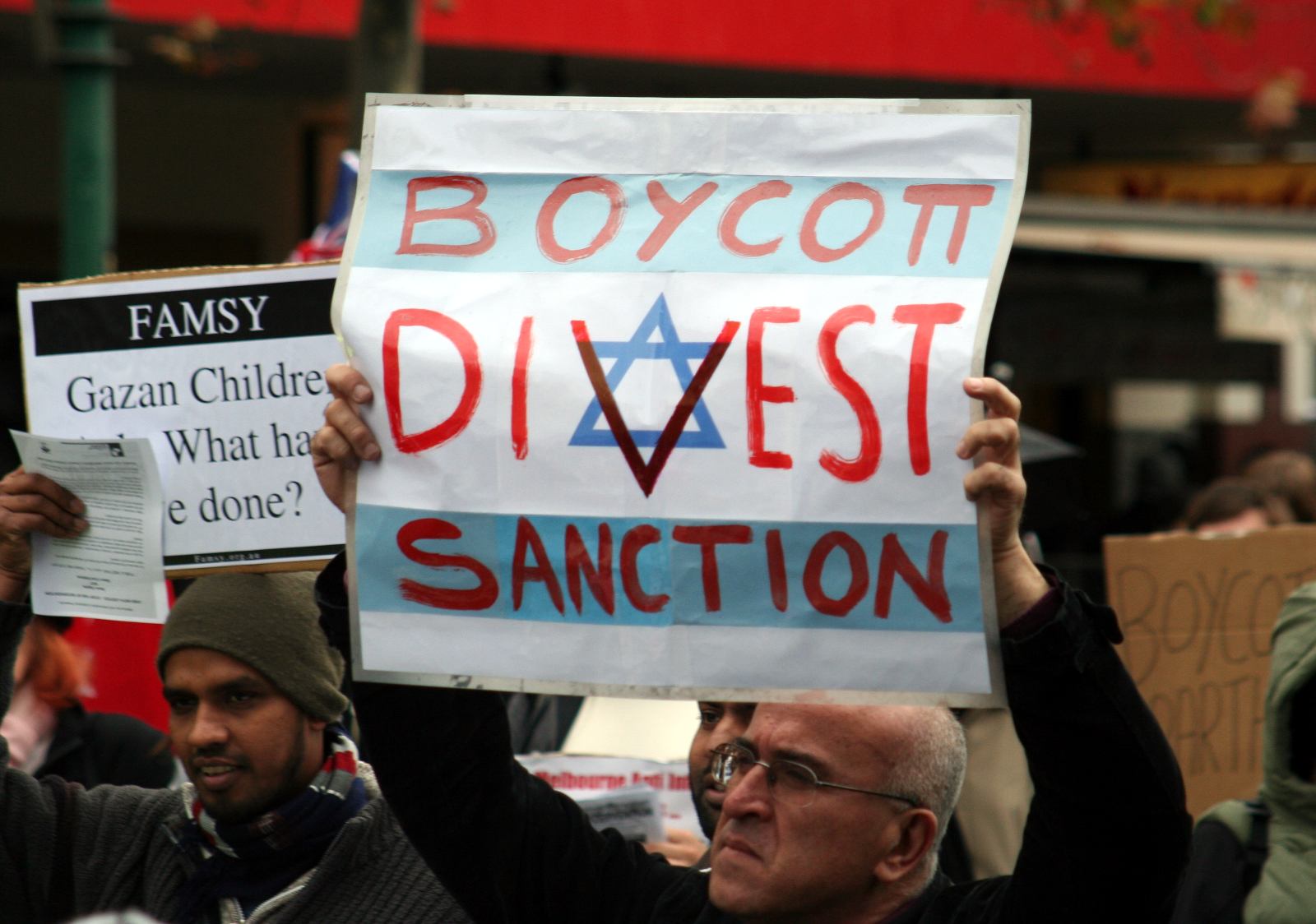
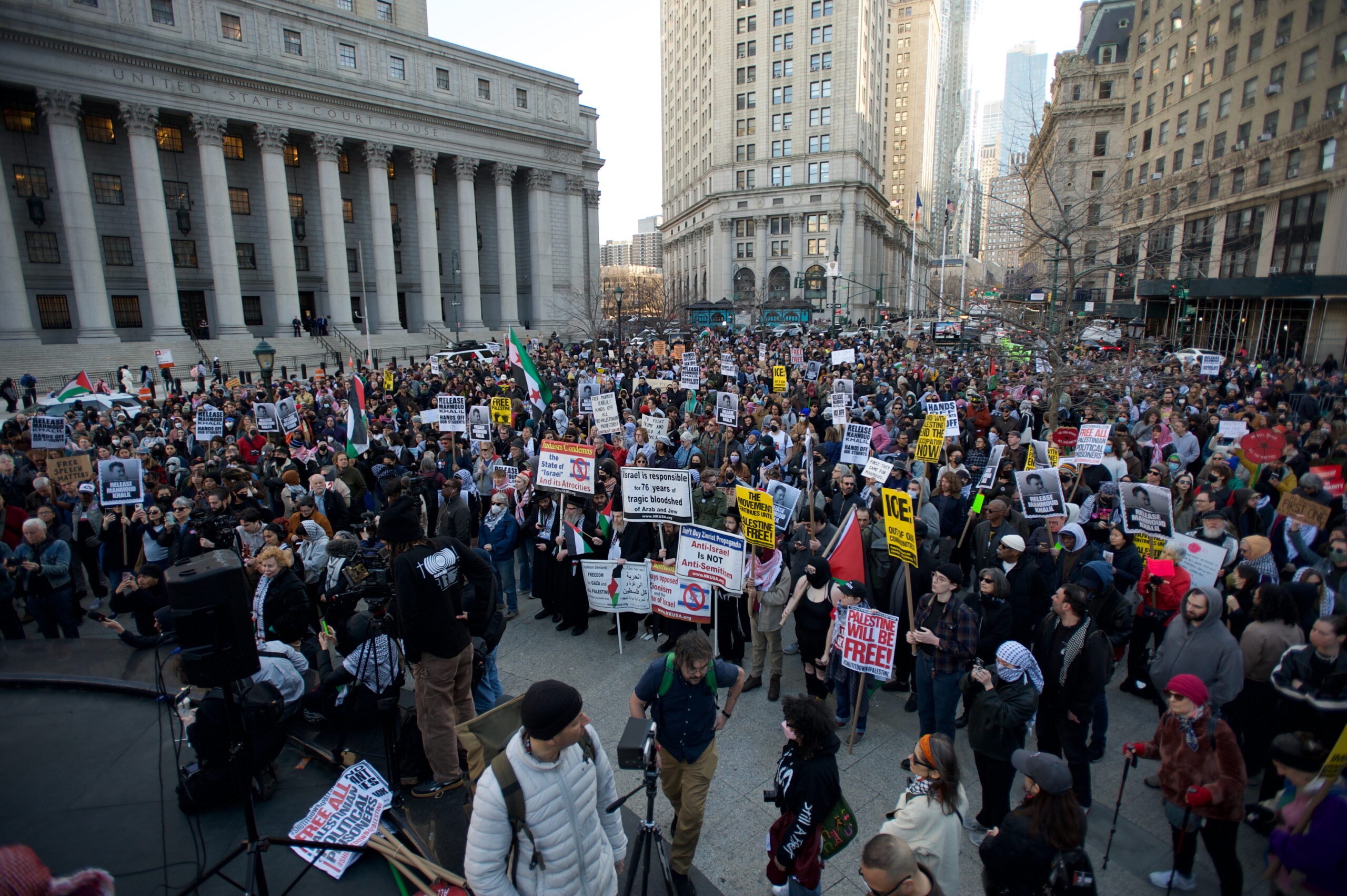
Mamdani, one of the few Muslim elected officials in New York, has maintained a high-profile stance on Palestine, including supporting legislation aimed at stopping New York tax-exempt charitable funds from supporting Israeli settlements, called the “Not on Our Dime” proposal. He was also among the state lawmakers involved in a hunger strike in late 2023, calling for a permanent ceasefire, alongside former gubernatorial candidate and actress Cynthia Nixon.
That commitment continued into his historic mayoral campaign, when he ran on a platform that prioritized sweeping measures to lower the cost of living for working-class New Yorkers, though some of his supporters have felt his recent actions have been a step back from prior positions.
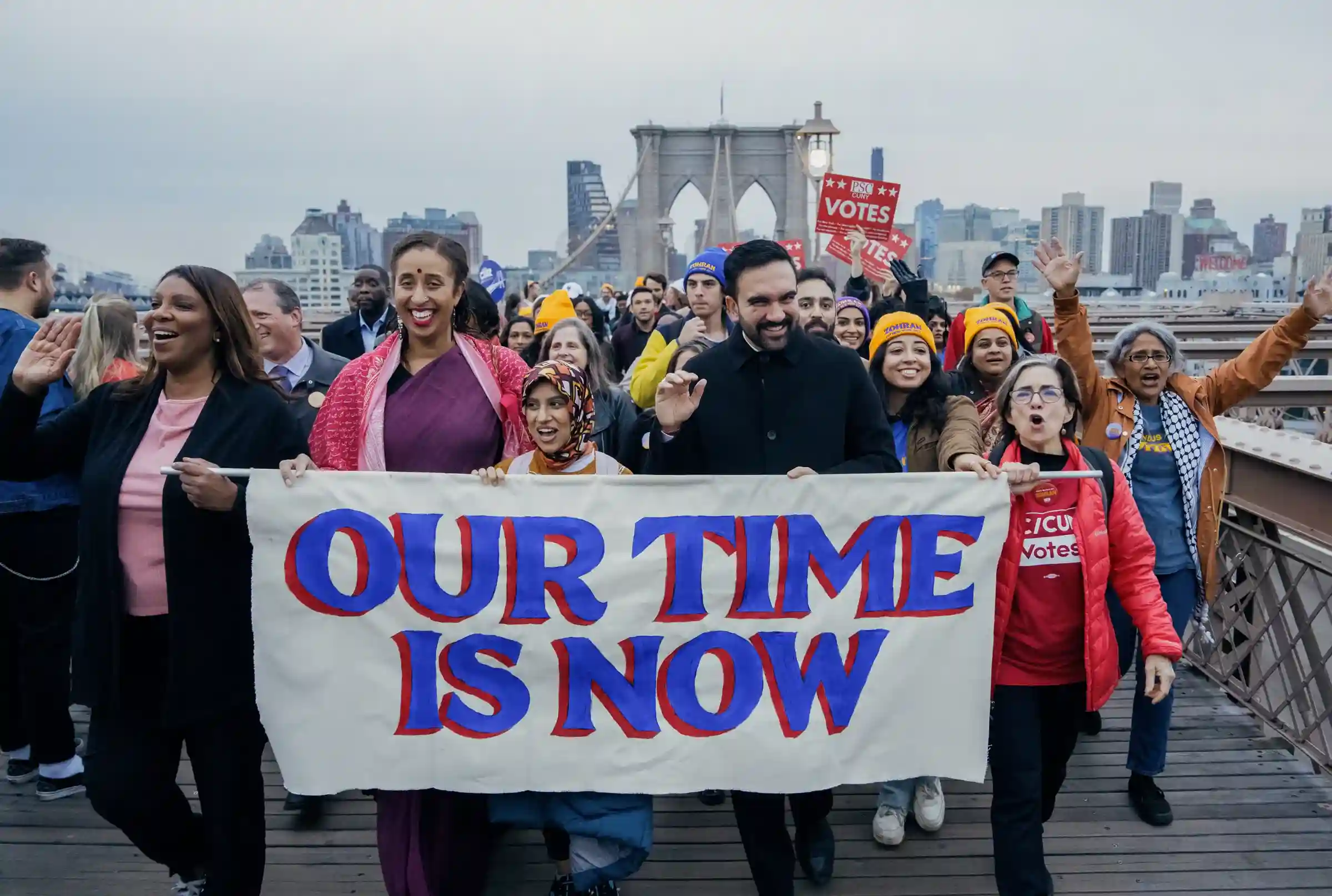
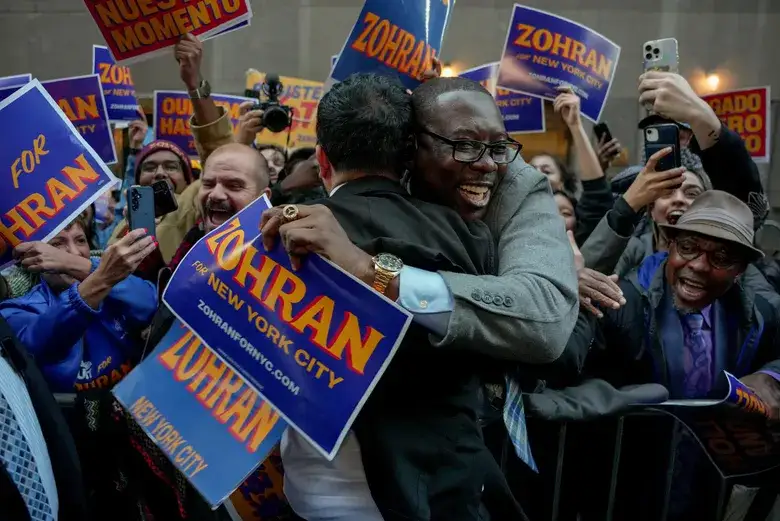
His was a ‘campaign of joy,’ according to many New Yorkers, who welcomed his campaign’s outlook in the face of the near-constant racial and Islamophobic attacks he faced from opponents in public comments, debates, and even mailers. It captured the hearts of millions of people around the world as he emphasized housing affordability, including rent freezes for rent-stabilized units, expanding affordable housing construction, free city bus service, universal childcare, and raising the minimum wage, in addition to Palestinian rights and climate change.
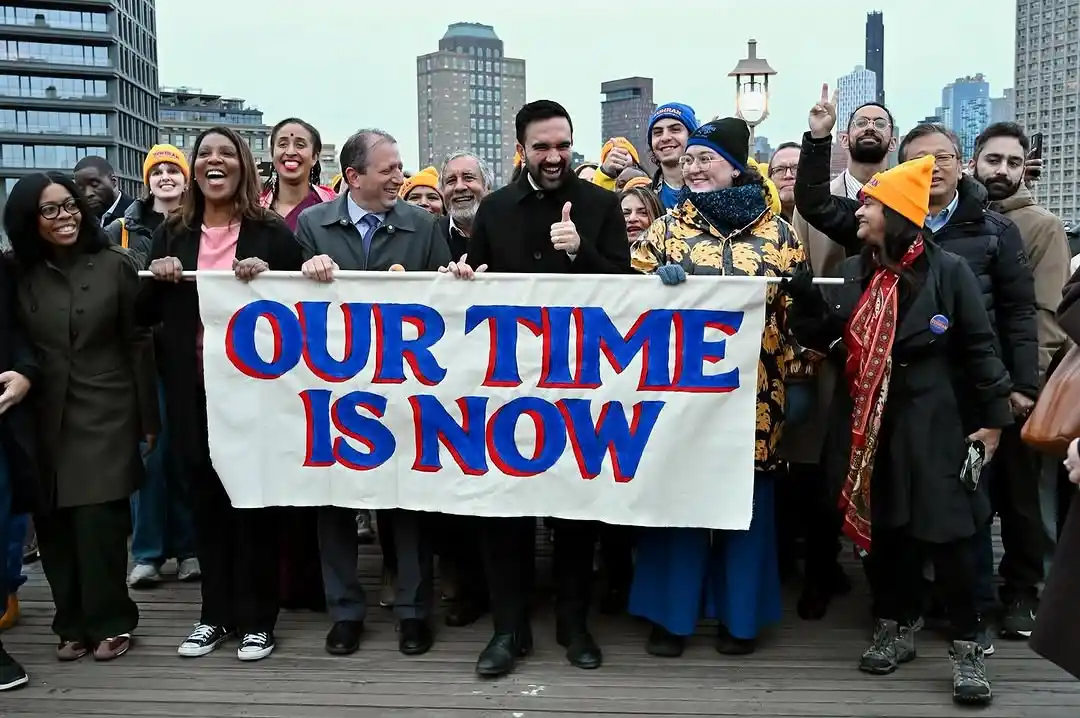
More importantly, it appealed to his growing base of younger voters, working-class residents of the city, Palestine supporters, immigrant community activists, and the South Asian community in particular. His victory was due to powerful grassroots organizing and Get Out the Vote efforts across all corners of the city.
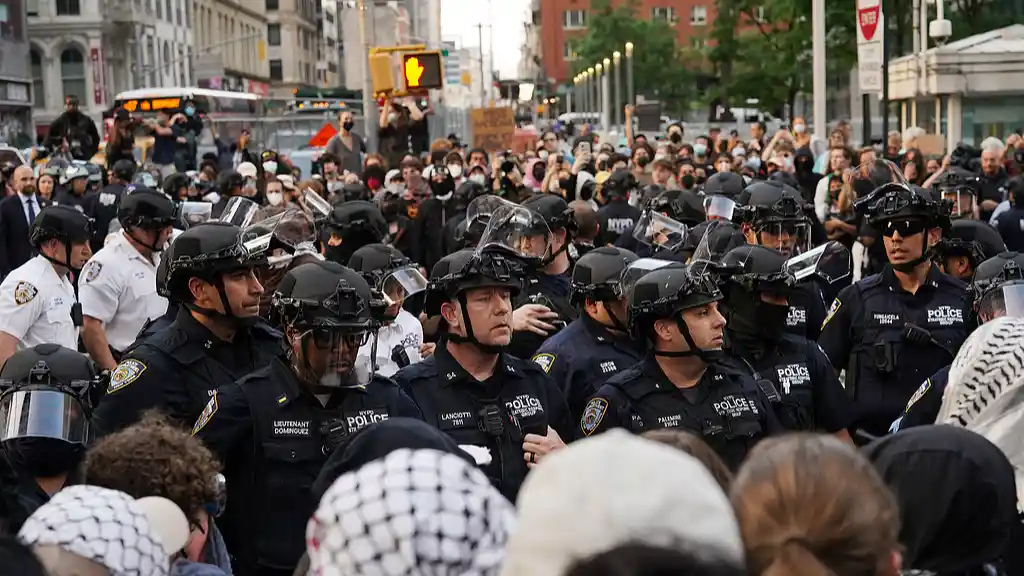
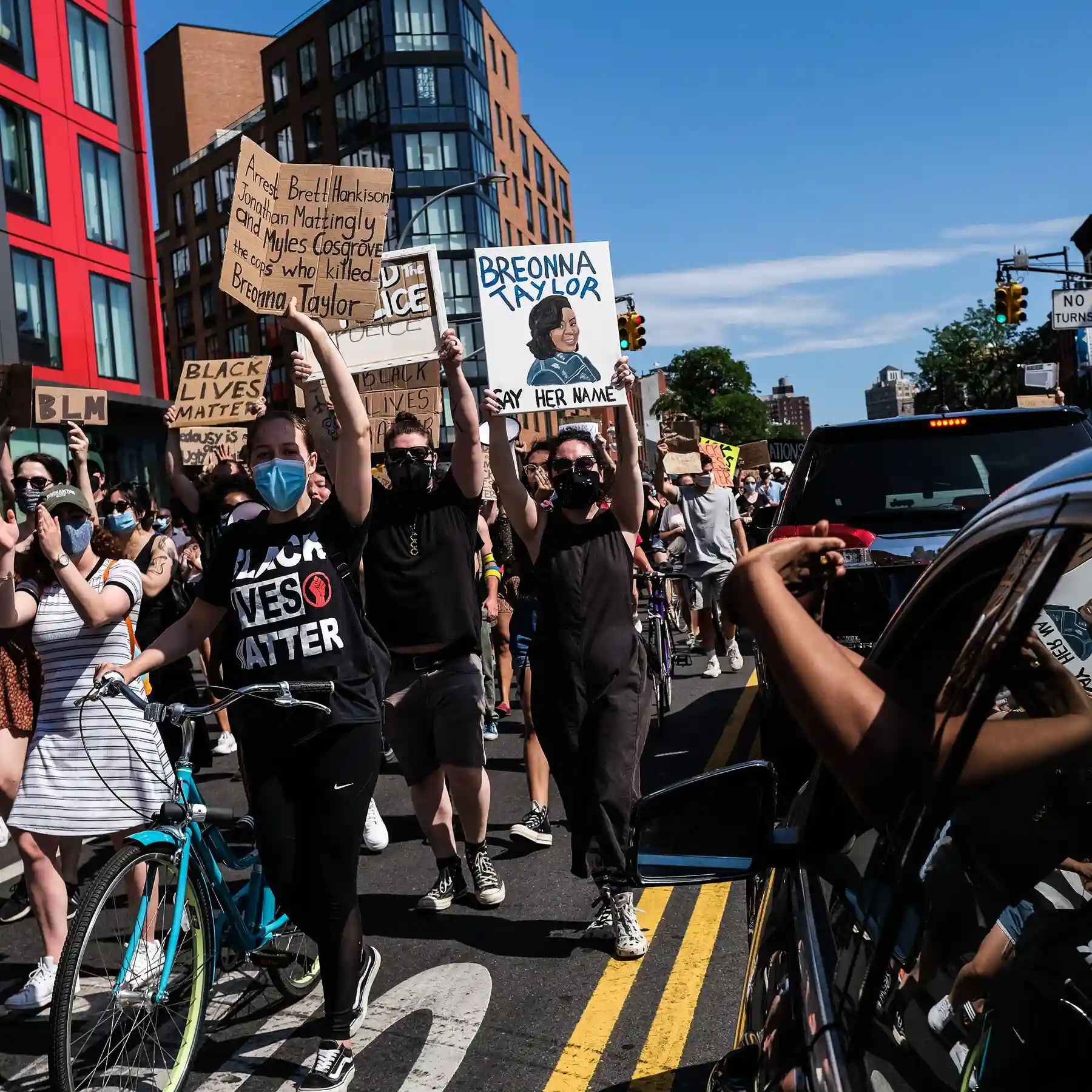
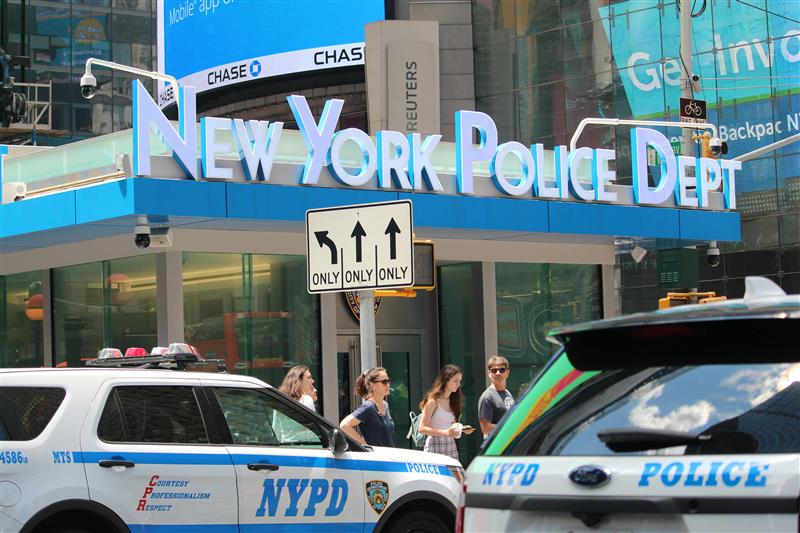
One of his major platform issues was public safety. Mamdani was a vocal supporter of the movement to defund the police in 2023, but while his current position still involves proposed changes to the NYPD, some of his progressive base have felt his actions during the transition period have not matched his previous pitch on policing. For instance, retaining New York Police Department Commissioner Jessica Tisch. In 2020, he also publicly called to “#DefundTheNYPD” and described the NYPD as “racist, anti-queer & a major threat to public safety.”
He also ran on prioritizing equity in mental health and social services access across neighborhoods disproportionately affected by inequality, including a proposal to send mental health and social workers to answer certain police calls.
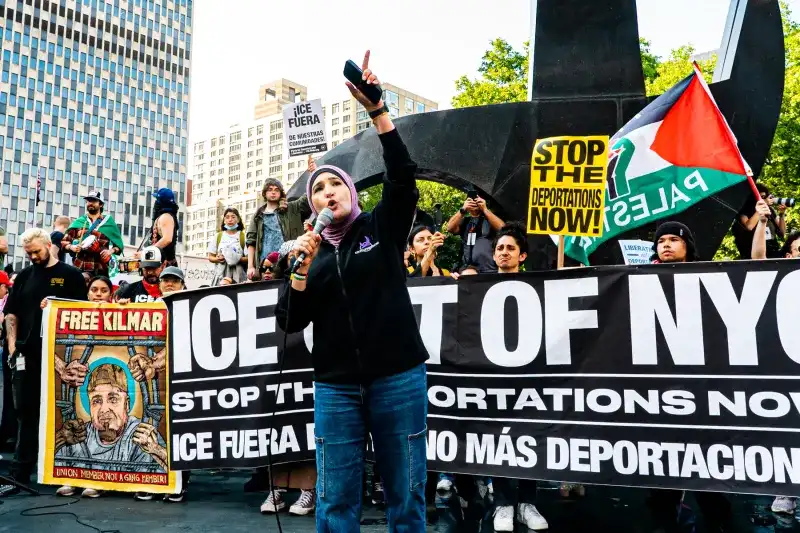
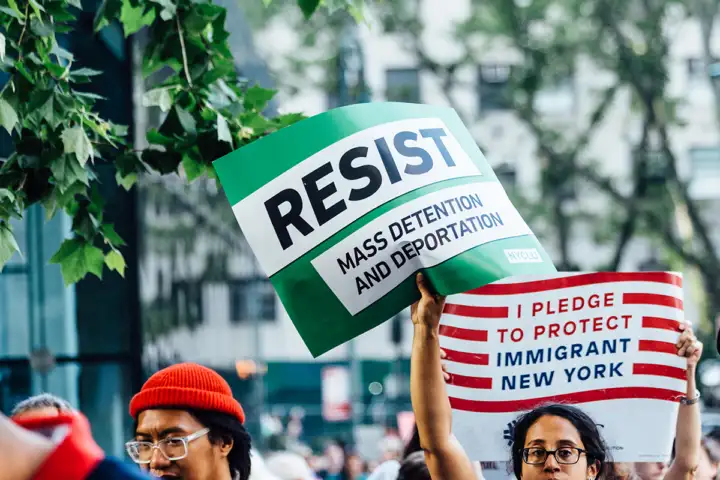
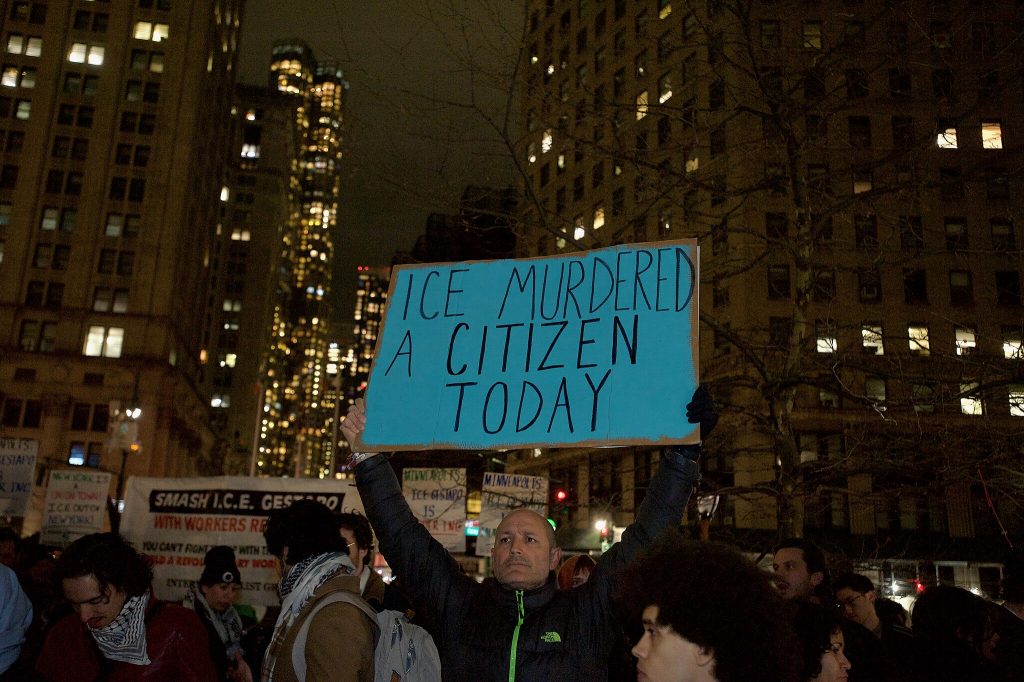
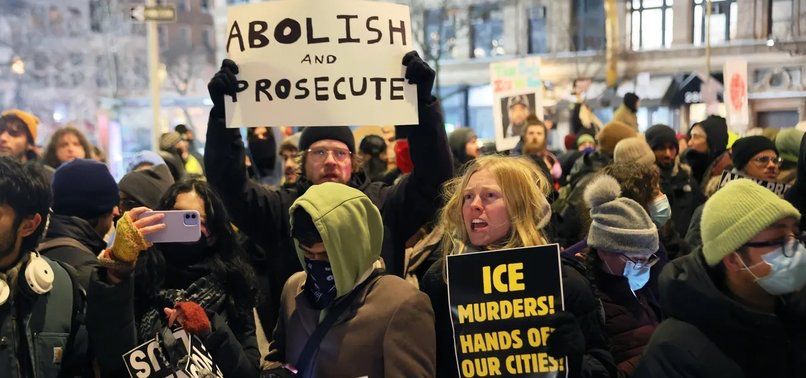
He has pledged to work towards putting an end to the federal Immigration and Customs Enforcement (ICE) agency’s raids to round up, detain, and deport undocumented immigrants around the city. These policy proposals drew national attention and framed his victory as a historic win for progressive politics in urban governance. However, whether he will maintain that line and momentum remains to be seen once Mamdani takes office, and the city’s internal politics play out.
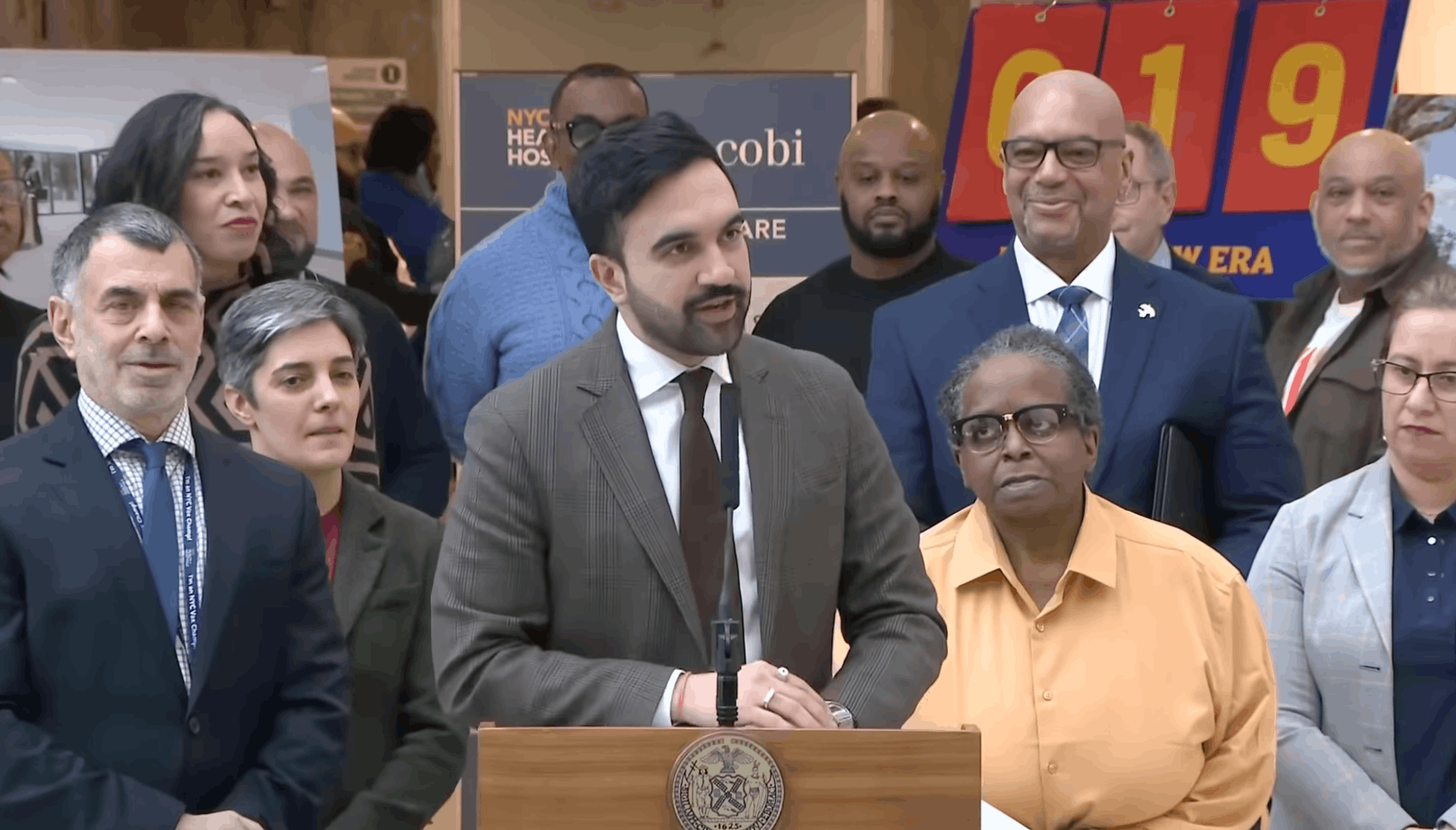
After his election night speech, quoting former India’s first Prime Minister Jawaharlal Nehru, he began building what he called the “New Era for New York City,” structuring a transition to City Hall that aims to translate his campaign promises into actionable governance. This effort included appointing a broad network of voluntary advisory committees and a transition team featuring seasoned public servants, policy experts, and advocates such as former chair of the Federal Trade Commission Lina Khan and notable city officials who reflect the diversity of the city’s perspectives and priorities.
While some of those choices have resonated and even pleasantly surprised his base, other appointments have had the opposite effect.
Dean Fuleihan
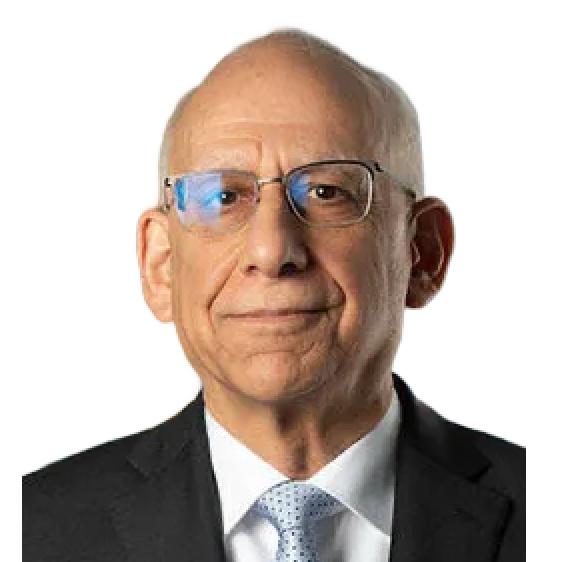
Dean Fuleihan was tapped by Mayor-Elect Mamdani as his First Deputy Mayor just days after the election. Fuleihan, 74, brings decades of management and fiscal experience to the incoming administration and has widely been seen as a counter to concerns about Mamdani’s relative youth and inexperience.
A veteran of New York City government and hailing from a family of Lebanese immigrants, Fuleihan previously served as First Deputy Mayor under former Mayor Bill de Blasio and led the city’s Office of Management and Budget. He was crucial to the de Blasio administration’s funding of universal Pre-K, a program that provides free preschool for every four-year-old in the city.
His deep institutional knowledge of city finances and government operations positions him to be a key partner in executing Mamdani’s ambitious agenda, particularly those items addressing the affordability crisis, where budgeting and cross-agency coordination are critical.
As first deputy, Fuleihan will play a central role in bridging the transition from campaign promises to governing reality, leveraging his experience managing multi-billion-dollar budgets and complex interagency negotiations.
Fuleihan’s deep experience is not limited to the city; he knows the state politics of Albany well. He started as a policy analyst for the late Assembly Speaker Sheldon Silver and went on to serve in many other budget-related roles. This is likely to come in handy, as many of Mamdani’s campaign promises—like free buses, universal childcare, and raising taxes on the city’s wealthiest residents—need to be approved by Albany.
Relatedly, New York Governor Kathy Hochul was quick to praise Mamdani’s appointment, as she had recently appointed Fuleihan to serve on the New York State Financial Control Board.
By choosing a veteran budget official, Mamdani has signaled that his administration intends to pair an affordability-driven agenda with experienced management. Fuleihan’s role places him at the center of translating campaign promises into governing reality.
Elle Bisgaard-Church

Elle Bisgaard-Church was named Chief of Staff to Mayor-elect Mamdani, placing her in one of the most powerful internal roles in City Hall. Bisgaard-Church’s background is rooted in progressive electoral politics and organizing. She has worked on left-leaning campaigns and advocacy efforts, building a reputation as a strategist closely aligned with movement-driven candidates, but had never actually led a campaign before this one.
Bisgaard-Church is relatively unknown to many in the New York political social scene—”under the radar” for many until now, but highly praised by Mamdani. That low profile also meant she was largely uninfluenced by others’ campaigns or priorities, which seemed to serve Mamdani well in setting his campaign apart from any that were run before in the city and state.
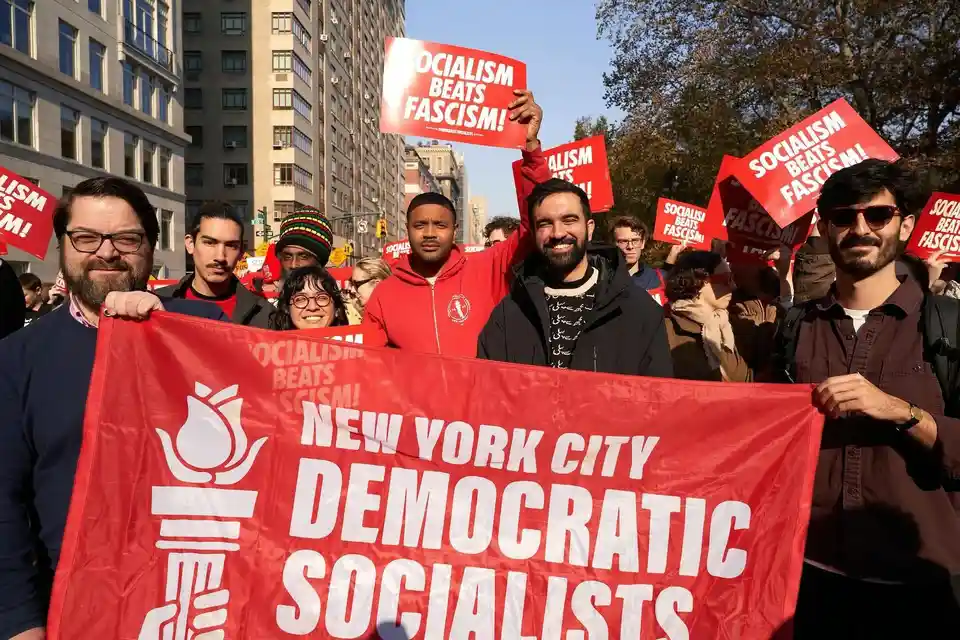
She earned her stripes leading his office when he was an Assemblyman, having been put through interviews with the New York City chapter of the Democratic Socialists of America and the Muslim Democratic Club of New York to get the job. By all accounts, Bisgaard-Church is Mamdani’s closest and most trusted advisor.
Key to her influence on Mamdani’s decision-making is her ties to the DSA. She was one of the architects of the document that advises the party organization on how to interact with elected officials, which gave her the credibility to convince the party to endorse Mamdani’s mayoral run.
Bisgaard-Church was also instrumental in devising a central proposal of his campaign: the Department of Community Safety. The proposed agency would take a social services-first approach to public safety and provide a potential partner—or counterpoint—to the NYPD, should it be formed. The proposal also offered a"cover" for Mamdani with voters whose top concern was safety, but who felt progressive candidates lacked an understanding or solution to addressing it in the past.
As chief of staff, Bisgaard-Church will control access to the mayor and coordinate policy priorities across agencies. The role is often decisive in determining how campaign ideals are translated or constrained within City Hall.
Her appointment reflects Mamdani’s effort to keep political continuity between his campaign and his administration. It also signals that movement-aligned voices will retain influence over internal decision-making during the transition to governing.
Jessica Tisch
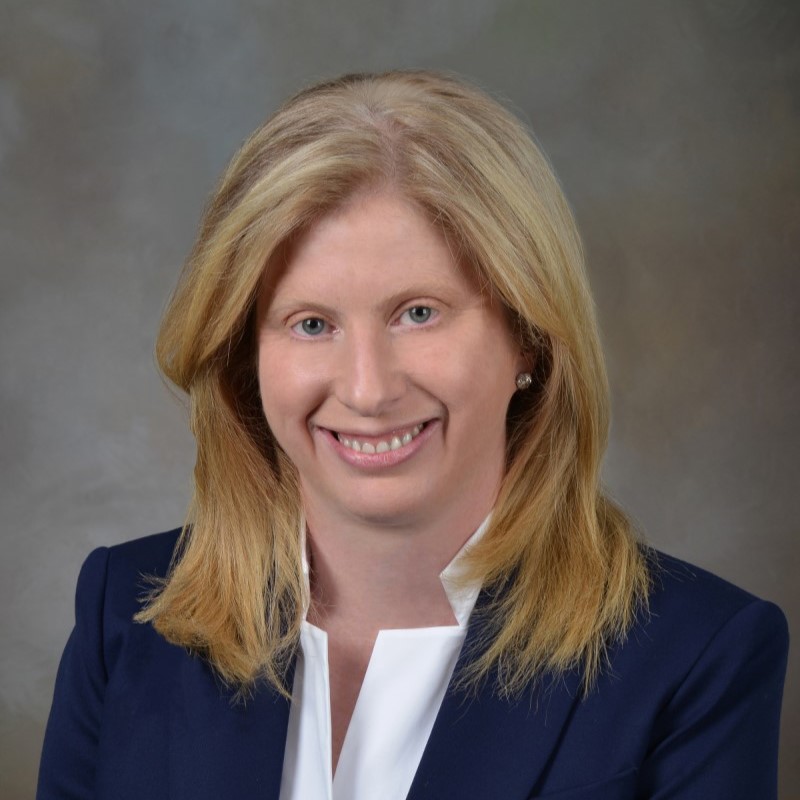
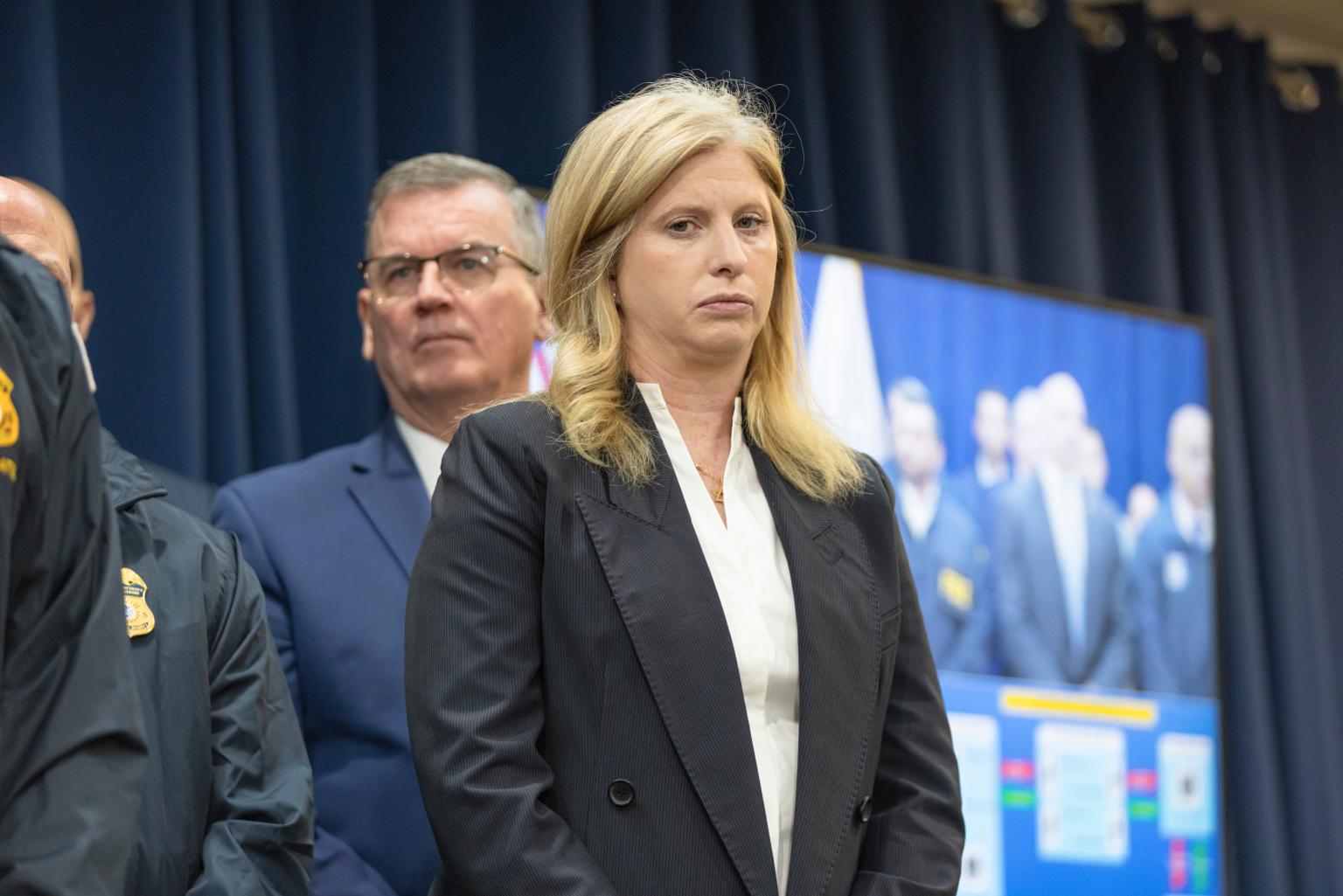
Jessica Tisch has served as the commissioner of the New York City Police Department, the largest police force in the U.S., since her appointment by outgoing Mayor Eric Adams in November 2024. Tisch’s professional background is rooted in city government operations and management rather than traditional law enforcement leadership. She previously served in senior administrative roles, including as commissioner of the city’s Department of Information Technology and Telecommunications and other civic management posts.
In November 2025, following Zohran Mamdani’s election as mayor, Tisch accepted Mamdani’s offer to remain as NYPD commissioner when he takes office on January 1, 2026.
His base of supporters viewed this move as antithetical to his campaign promises regarding policing reform. Tisch has publicly expressed support for Israel on multiple occasions—another point his base of supporters felt was backtracking on his previous rhetoric.
The Commissioner is part of the prominent Tisch family, which controls one-third of the Loews Corporation, and is worth $10 billion. It’s unclear how Tisch’s personal background may have played a role in Mamdani’s early decision, and the Mayor-Elect’s team emphasized his commitment to serving all eight million New Yorkers in all five boroughs, even those who were opposed to him.
Tisch told NYPD members that while she and Mamdani “do not agree on everything,” they share priorities around lowering crime and departmental support. The statements from both the Mayor-Elect and 1 Police Plaza did not address their specific differences regarding the department’s budget, or use of mental health and social workers in achieving their shared public safety mission.
Her continued leadership of the NYPD under a new administration signals continuity at a moment when city residents and political stakeholders are closely watching how public safety policy will evolve. The decision also has broader symbolic weight because Tisch is from a prominent Jewish family, and her retention was reported as reassuring to some Jewish community leaders, given Mamdani’s sometimes contentious relationship with some parts of that community over his political stances.
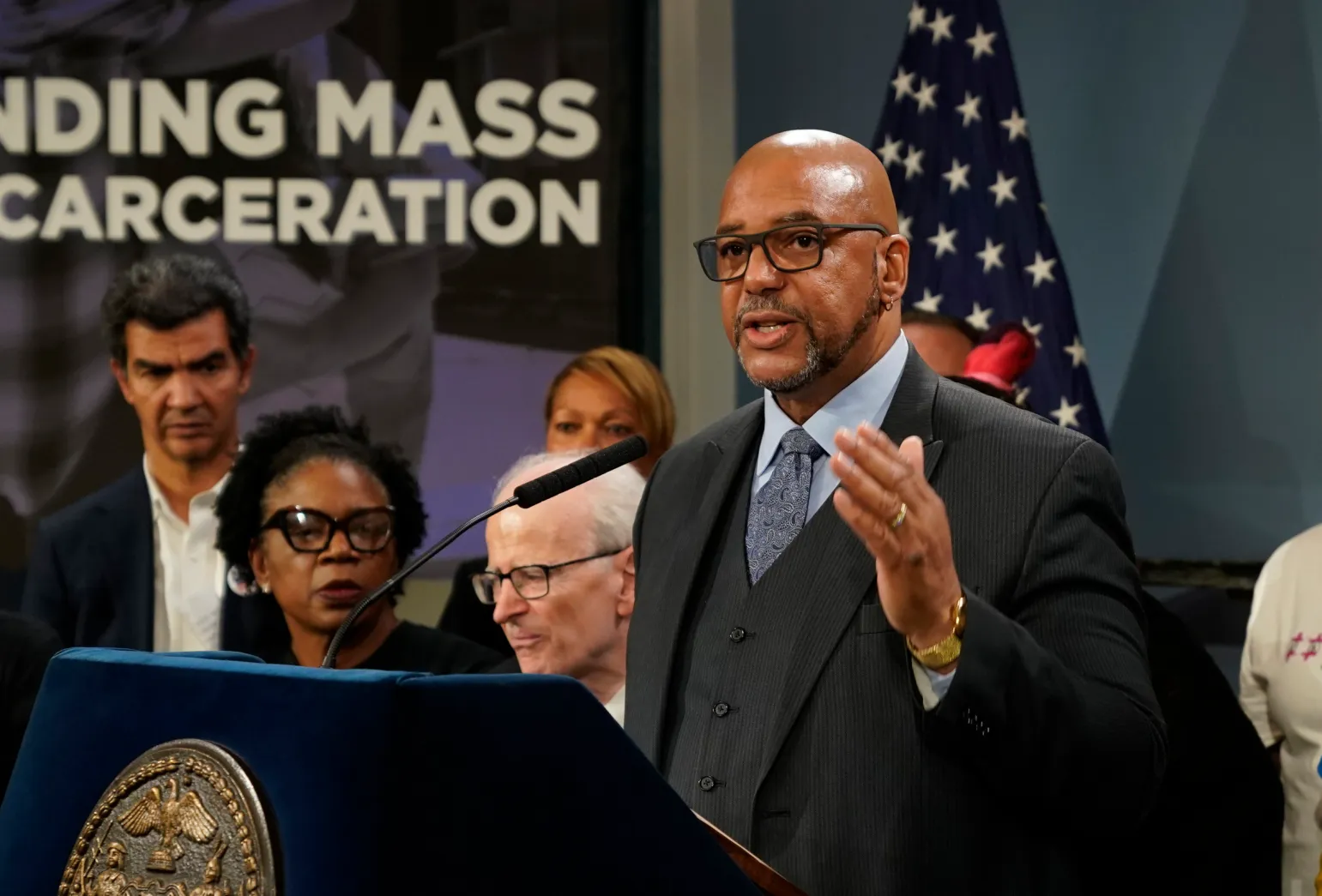
Though organizations like Jewish Voice for Peace Action, Jewish For Racial & Economic Justice (JFREJ), and the Satmar Hasidic community embraced his run for Mayor and celebrated his victory, Tisch’s acceptance of the offer to stay was largely welcomed by major Jewish organizations and Trump, who saw it as a stabilizing choice. However, the decision also raises a host of questions, potential flashpoints, and political landmines, with and for Mamdani, his base of supporters in immigrant communities and communities of color, and his party support from the Democratic Socialists of America.
Tisch and Mamdani are at odds when it comes to progressive reforms Mamdani has discussed in the past and during his campaign like abolishing the NYPD gang database, cutting officer overtime pay, and the power and recommendations of the Civilian Complaint Review Board (CCRB), the civilian agency that serves as a police watchdog and to which Mamdani can appoint new members, to name a few. Tisch has publicly shown interest in enforcing more discipline within the department— particularly given the corruption allegations that brought down her predecessor, Edward Caban, and his history of dismissing CCRB disciplinary recommendations.
However, policing is political in New York City, and Mamdani’s NYPD budgets play a role in all of this. The proposed budgetary changes also come with a proposal to spend $1 billion on a new Department of Community Safety, which would prioritize sending mental health and licensed social workers to certain police calls instead of or alongside armed officers.
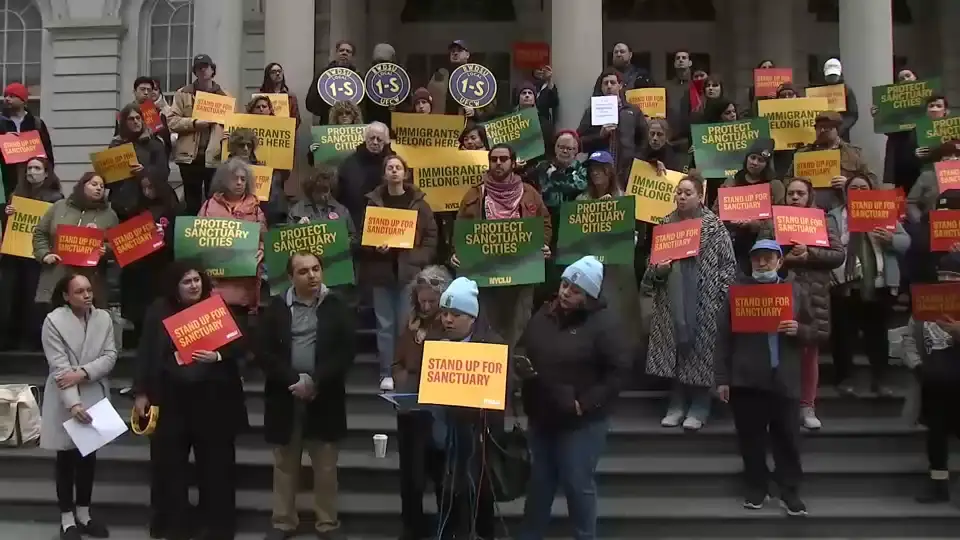
Another major issue is New York’s status as a ‘sanctuary city,’ or an American city that has agreed to limit its cooperation with federal law enforcement agencies like ICE, and its targeting of immigrants, undocumented and otherwise.
New York City’s Department of Investigation (DOI) concluded that the NYPD generally complies with the city’s sanctuary laws, finding only a single instance in which an officer unlawfully assisted federal authorities with civil immigration enforcement. The DOI report was launched after a referral from NYC Council leaders and included seven recommendations for strengthening NYPD practices, all of which the department has accepted. NYPD officials emphasized their overall compliance with local sanctuary protections and have said they will adopt the suggested policy improvements. City Council leaders said the findings show troubling gaps in adherence to city law and urged greater scrutiny of federal requests, something that has been lax under the outgoing administration of Eric Adams and Tisch’s first year as Commissioner, resulting in several ICE raids in Chinatown, Brooklyn, and Queens.
Also part of this equation is the New York City Trust Act, a response to the collaboration between ICE and city police. If passed, the bill would allow immigrants who were detained by city law enforcement agencies, including the Department of Corrections to sue the city government for violation of sanctuary city laws.
Leila Bozorg
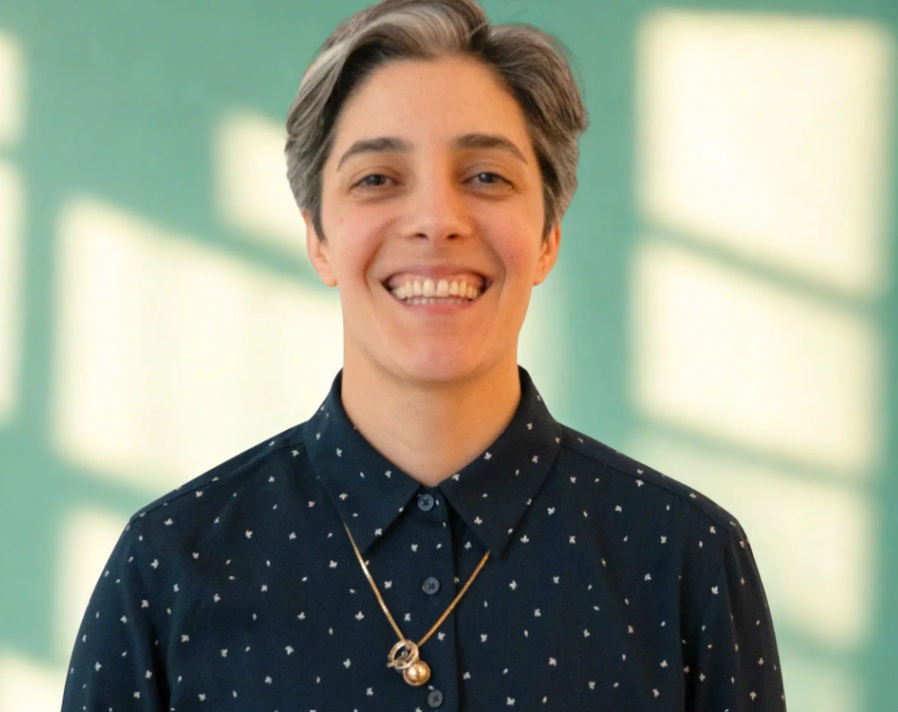
Leila Bozorg was appointed Deputy Mayor for Housing and Planning, a portfolio directly tied to Mamdani’s central campaign issue of affordability. Bozorg previously served as the city’s executive director of housing under outgoing Mayor Adams, giving her deep experience within New York’s housing policy bureaucracy, but also the stain of voters who soured on Adams’ inaction amid astronomical post-pandemic rent increases and allegations of corruption throughout his cabinet.
There is no denying Bozorg’s experience. However, her career has focused on housing policy, land use, and implementation rather than electoral politics. Her technical expertise and familiarity with city agencies responsible for development and tenant protections could prove to be an important asset as Mamdani translates his affordability-first agenda into concrete policy actions he can first unilaterally, without state approval, and further implement those policies with Albany’s green light.
Housing is expected to be the defining test of Mamdani’s mayoralty, and Bozorg will be responsible for executing that agenda across multiple agencies. Her appointment signals an attempt to pair ambitious policy goals with administrative capacity. By choosing a seasoned housing official, Mamdani is indicating that affordability will be treated as much as an implementation challenge as a moral one. Bozorg’s performance will shape whether the administration’s housing promises translate into measurable change.
Bozorg is widely seen as one of the architects of the “City of Yes” suite of housing proposals, a package of zoning reforms and planning changes championed by Mayor Eric Adams aimed at tackling New York’s chronic housing shortage and soaring rents. The package is one of the few initiatives of Adams that Mamdani hopes to continue.
One of the key components of the initiative is to liberalize zoning rules across the five boroughs to enable significantly more housing development, including new residential development in every neighborhood, incentives for permanently affordable units, legalizing smaller accessory dwelling units, and enabling higher-density housing near transit corridors. However, critics warn that simply allowing more housing development through zoning changes without strong affordability and tenant protections can accelerate gentrification and push longtime residents out of their neighborhoods—some of the same communities that propelled Mamdani to victory.
Even Public Advocate Jumaane Williams and other speakers during City Council hearings have highlighted fears that market-rate construction allowed under City of Yes could raise local property values and rents, ultimately displacing low- and moderate-income households without guaranteed protections for existing residents. Bozorg’s biggest challenge will be balancing the development she proposes with Mamdani’s promises of making the city more affordable for working-class residents.
Sherif Soliman
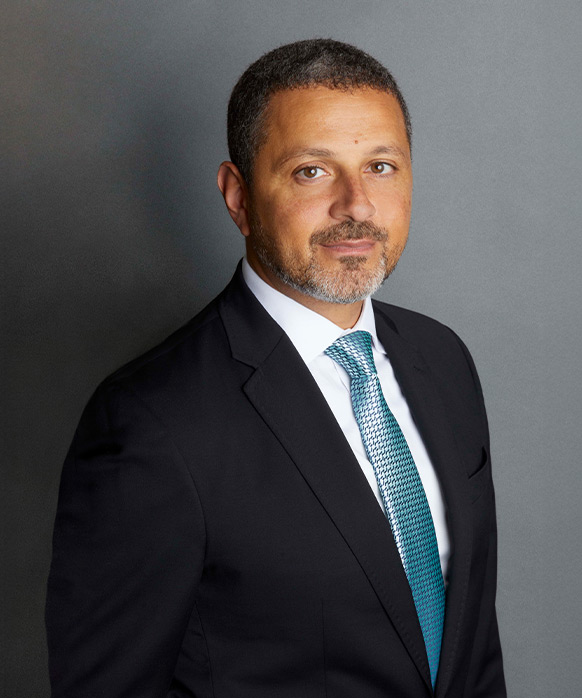
Sherif Soliman’s appointment as New York City budget director signals how Mayor-elect Zohran Mamdani plans to pursue an affordability-first agenda, while perhaps also signalling to critics of the agenda how he would do so without losing control of the city’s finances.
The announcement of his appointment was also symbolic of Mamdani’s agenda. Soliman is the son of Egyptian immigrants and lived in the Pomonok public housing development, where the announcement was made, until he was 11 years old.
Soliman went on to become a veteran municipal official and is the current chief financial officer of the City University of New York, the country’s largest public university system with a budget exceeding $5 billion and 26 campuses. Since joining CUNY in 2023, he imposed spending controls and hiring limits that helped reduce the number of campuses running deficits, a record that budget experts and city officials cited as evidence of his ability to manage politically sensitive trade-offs.
Soliman also brings deep experience navigating New York City’s fiscal and political machinery. He has served across three mayoral administrations, including as commissioner of the Department of Finance under Mayor Bill de Blasio and as chief policy officer under Mayor Eric Adams.
The Director of the Office of Management and Budget controls the mechanics of New York City’s budget. This role determines how money flows, which programs expand, and where cuts occur. Soliman’s savvy will be put to the test in navigating Mamdani’s promises of free buses and universal childcare, while accounting for projected budget gaps and a looming cut of federal support.
For an administration built around affordability and public investment as a moral and fiscal obligation, the budget director translates values into line items. Even popular programs can stall without careful fiscal design.
The position also carries political weight, and now a former resident of public housing from an immigrant family will help to shape negotiations with the City Council and labor unions. For Mamdani, Soliman’s appointment is a marriage of ideals and technical expertise.

Minab School Bombing: The principal was killed along with 165 others, most of them children. “The children and teachers under the debris were in pieces; it was very difficult to see,” says the Principal’s brother.
Her body was the last to be found, around 4 am, alongside two of
